Issue 001 · Periodical
Through the Fields
A distant sunset, and life lately.

A Photograph
Every day on my way home from work, I pass a village and a stretch of fields. I used to drive; recently I switched to a shared e-bike. The scenery is the same, but the feeling is completely different. In a summer so full of life, there are frogs nearby, a sunset in the distance, and warm wind in my face. “Rainy Season” by Penicillin is playing in my headphones. I felt a freedom I had not felt in a long time.
Useful Things
Oasis: a space where people and AI agents work together
It is a little like the co-work product ChatGPT introduced earlier. Oasis lets people and several AI agents collaborate in one place, discussing and editing documents, spreadsheets, or code. You can direct agents with different roles in a group chat as if you were assigning work to different teammates. The concept and interaction design are fresh, though I still do not feel a strong pull to use it for real work.

Image from the Oasis website
Appllama: studying how high-earning apps are designed
The visual taste is still there. Appllama collects onboarding flows, home screens, paywalls, and full journeys from leading iOS apps. Beyond finding interface references, it is useful for seeing how a product expresses value, chooses its moment to charge, and turns experience design into a business.

Image from the Appllama website
Codex Security: AI-assisted code security review
Codex has opened up its own security scanning capability for finding, validating, and fixing code security issues. It supports local scans and use from the CLI. I am saving it for later: once I build more websites or apps, it could be part of the pre-release safety check.
qiaomu-seo: an engineering workflow for SEO
I have not tried it yet, but it may help improve this blog’s SEO later. The project breaks SEO into technical audits, page strategy, organic-traffic diagnosis, and outcome validation. Website optimization should not begin with stuffing keywords; it should begin by checking whether pages can be crawled, rendered, and understood correctly.
Things from Life
A hotel worth staying at: Shanghai Expo Magnolia, Destination by Hyatt
It looks like a hotel with a strong design point of view. It is in Shanghai’s Expo area in Pudong, near the China Art Museum, Expo Park, and the waterfront. The rooms and the design are not the only reason to go; the neighborhood itself has places worth walking through and exhibitions worth seeing.

Image from toodaylab
Prix Versailles: the World Architecture and Design Award
A very idle little bookmark. Prix Versailles is an international award focused on architecture and spatial design. In Chinese it is translated as the “Versailles Architecture Award,” which carries a very particular internet joke that perhaps only Chinese readers would get.
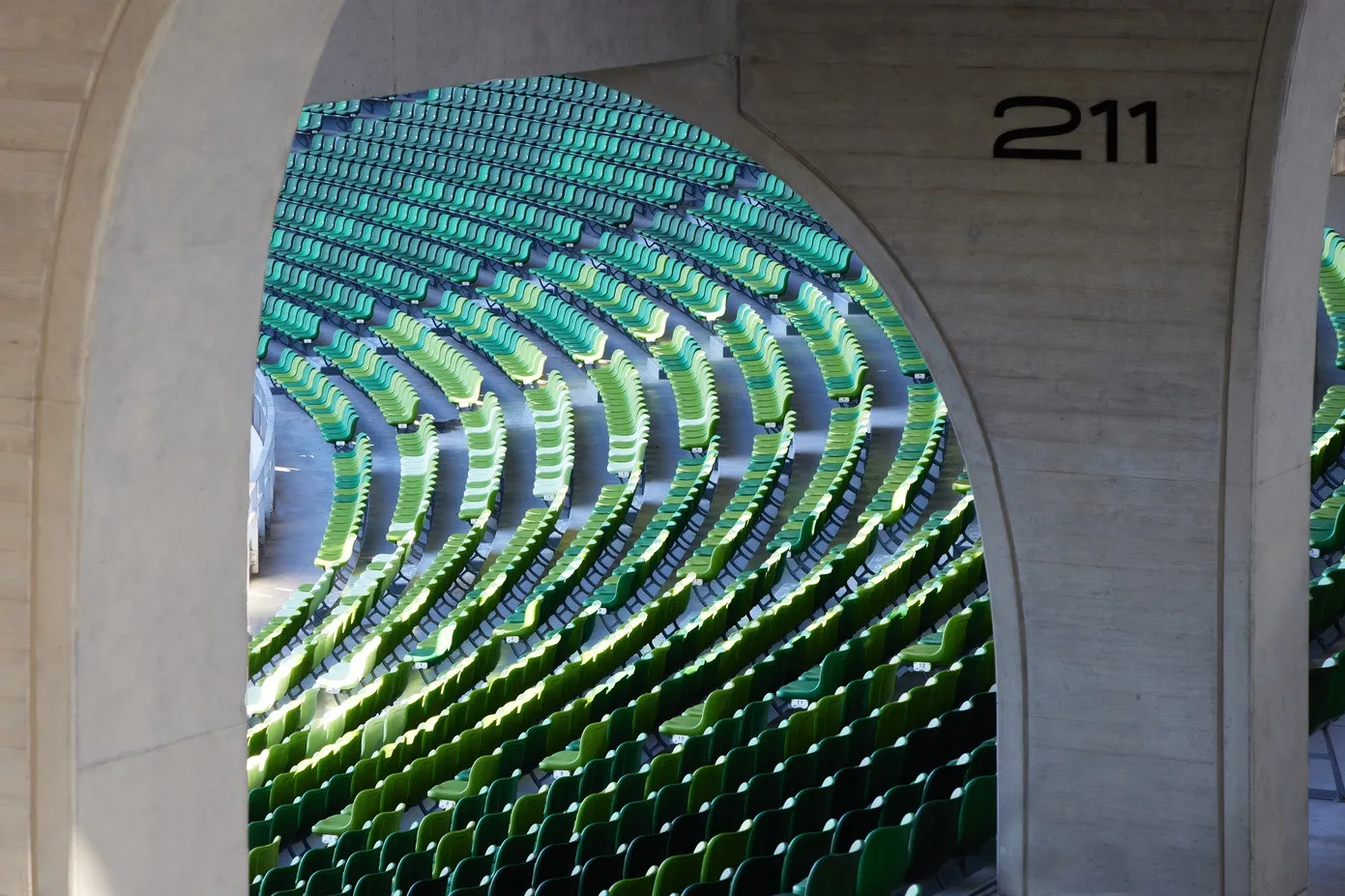
Image from the Prix Versailles website
Classic of Poetry Landscapes: using AI to turn ancient poetry into a walkable map
AI is letting ordinary people make things that once felt out of reach. Right now, imagination may be the only missing ingredient. This creator used AI to build an interactive map for the Classic of Poetry and also made songs for the poems. I have had similar thoughts before: there is still a lot of room to combine AI with traditional culture.
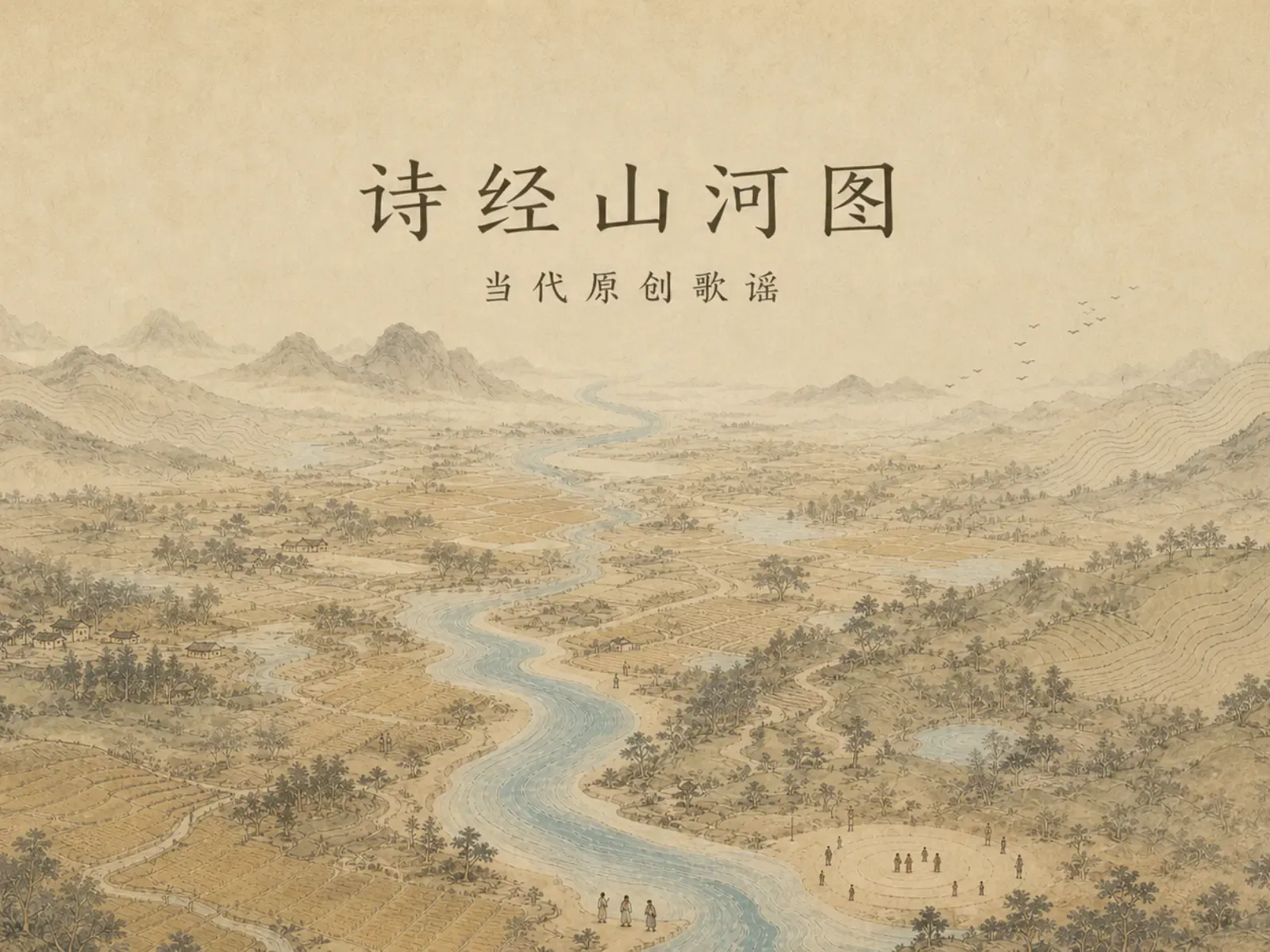
Image from sspai
Lately
FDE has been a hot topic lately. After years working with enterprise software and data products, plus a recent stretch of using tools like Codex obsessively, I have spent a lot of time thinking about it and felt it more directly. For an individual to get excellent output from AI, you need to provide a lot of personal background, work material, and context. The same is true for companies, only much more complicated. Their processes, information systems, and data foundations vary wildly; most are in a rough state. Their internal power structures and departmental boundaries are even harder to touch. Sorting out a company’s business and relationships through FDE, then turning them into data that AI can work with, is a hard problem.
Whether a Chinese version of the Palantir story can grow here may have a different ending from the old SaaS story under this wave of AI. Being in it, there is a long way to go.