Issue 003 · Periodical
Happy Birthday, Chuanchuan
The sky brightens and darkens; life rises and falls. Live for life and meaning, not only for achievement.
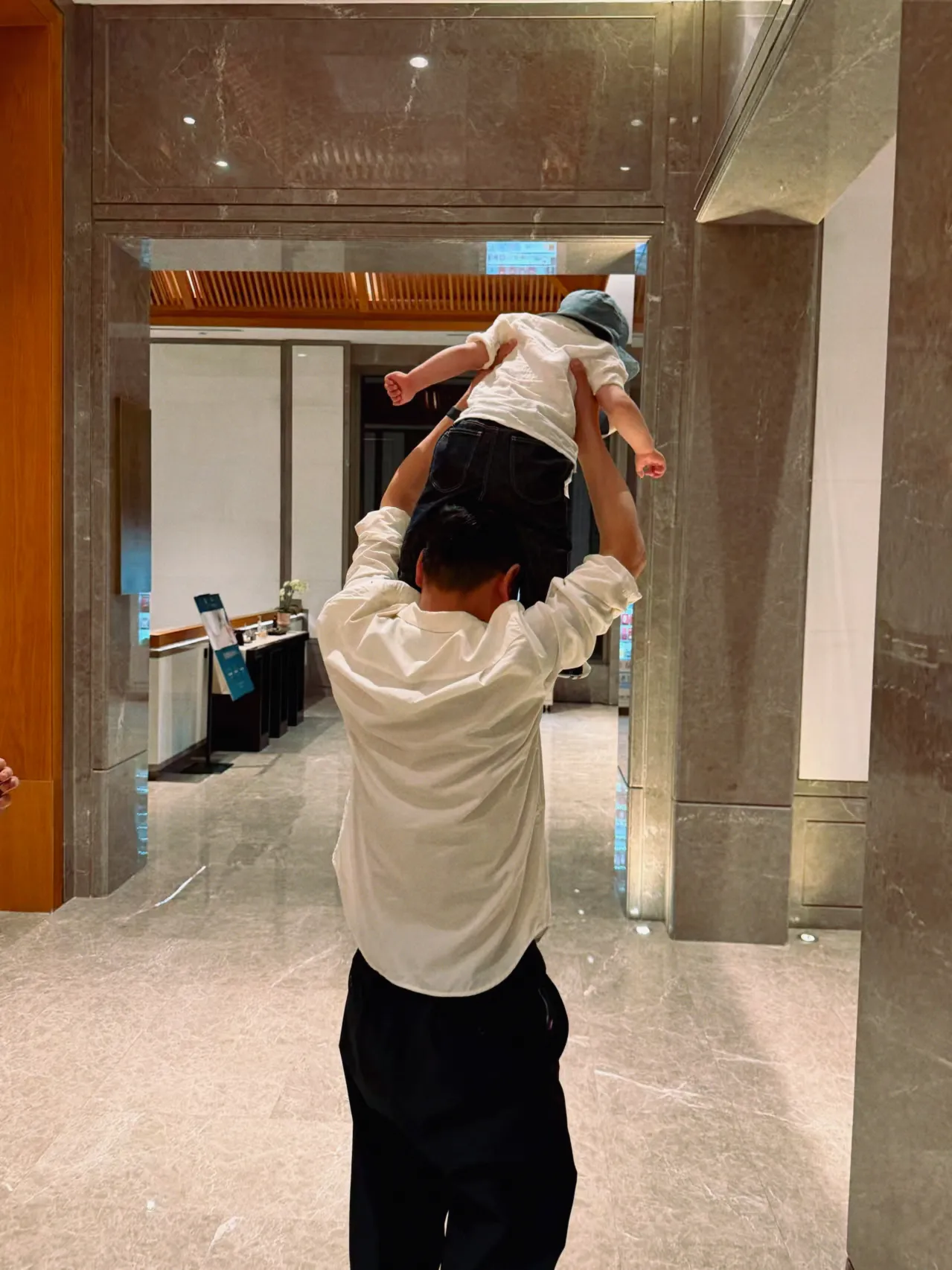
A Photograph
Happy birthday, Chuanchuan.
Right now, Dad is sitting on the company playground writing this to you. The weather is beautiful: sunny but not hot, with a breeze. In the blue sky, clouds are moving between light and shadow.
Wang Xiaobo, a writer Dad loves, said that life can be like this too: bright, then dim; sometimes rising, sometimes falling. That is how I have lived, and I think your life will have its turns too.
But we do not need to be afraid. On your first birthday, all I feel is happiness and anticipation. Other than meeting your mother, you are the best gift life has given me.
We all love you. I only hope you will be happy.
Useful Things
ReadMate: a companion app for WeRead
Highlighting in WeRead is easy; going back to look is the hard part. ReadMate syncs books, highlights, and notes, a little like copying favorite lines into a notebook. I have not used it yet, but it understands the need very well.

Image from the ReadMate App Store page
CleanShot: a personal tool for screen-recorded demos
Saved for later. It should be useful when I need to record product demos. Besides screenshots and screen recordings, it can show clicks and keystrokes, capture system audio and a microphone at the same time, then use smart zoom and an integrated editor to produce MP4s or GIFs.

Image from the CleanShot website
Chat, Work Cloud, Work Local, and Codex: what is the difference?
OpenAI’s products are becoming easier to confuse. In short, Chat suits quick questions and discussion; Work suits multi-step tasks with a clear deliverable. Cloud and Local differ by whether the task runs in the cloud or on your own computer. Codex is more focused on code, repositories, terminals, and tests.
Things from Life
Roadside America: an archive of strange buildings beside American roads
I had no idea America had so many strange buildings too. Over four decades, John Margolies photographed restaurants, gas stations, motels, giant signs, and novelty architecture across the country. They look curious now, but their practical job was simple: catch a driver’s eye from the road and make them stop.
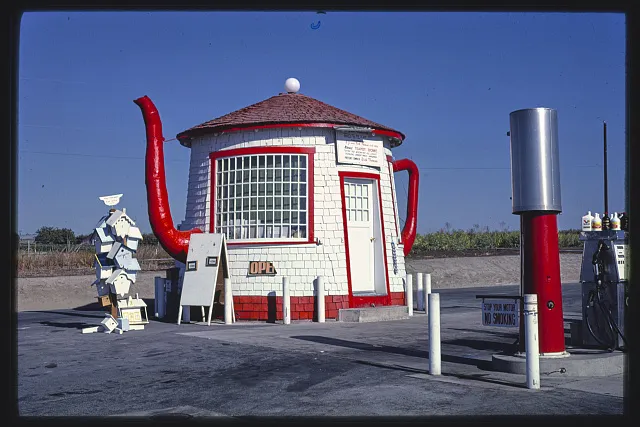
Image: John Margolies, Teapot Dome gas station, Zillah, Washington, 1987; Library of Congress collection, with no known restrictions on publication.
Lamborghini: a stroller that costs more than 30,000 yuan
Supercar leather, patterns, and suspension… Even though this issue is for Chuanchuan’s birthday, I would have to think twice before making this the gift.

Image from the 36Kr article
The ultimate refrigerator buying guide: save it for later
This could be a checklist the next time I buy a refrigerator. The differences between them can really be a fog.
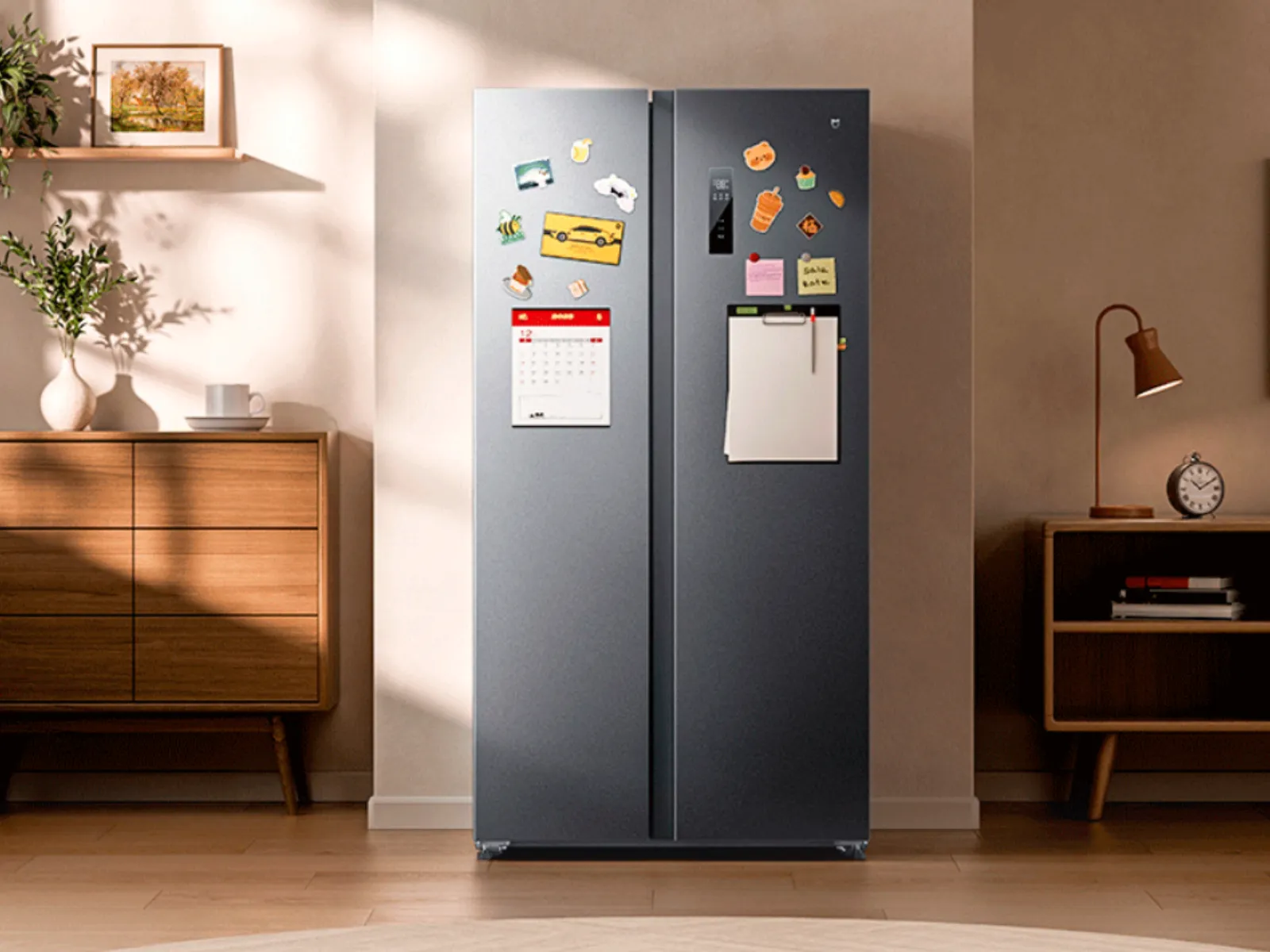
Image from the sspai article
Yayoi Kusama and Heytea
Looking back after Yayoi Kusama’s death, I learned that she had also done a full collaboration with Heytea: polka-dot pumpkins, tea drinks, packaging, and public art on Shanghai’s North Bund.

Image from the toodaylab article
Lately
“How to turn your AI into a world-class designer” is one of the best articles I have read recently. It does not reduce good design to a stronger model. It emphasizes human taste, a direction bold enough to matter, independent critics, and repeated iteration. AI is very good at generating, but it naturally tends toward safe, average, familiar answers. What creates real distance is still the standard a person brings.
On another front, OpenAI has begun showing how general-purpose agents can take on data cleaning, analysis, dashboards, and report production. After years working on data products, it is hard not to feel that data analysis and data products may soon be out of a job. General agents really are swallowing a great deal.
But on reflection, the first things likely to be swallowed are basic deliverables: retrieving data, joining tables, making charts, and drafting a first version. If the value of a data role is only a report, its room will keep shrinking. But people still need to decide which data is trustworthy, what a metric means, how permissions work, and whether a conclusion can enter a real decision. The same is true for the production of ordinary design and products: the barrier will only get lower.
In return, distinctive products made with taste will become more valuable.